Follow Me On Social Media!

How to Make Ricotta Cheese: Easy, Creamy Delight at Home

How To Make Ricotta Cheese: A Deliciously Simple Guide
Making ricotta cheese at home is not just an entertaining culinary adventure; it’s also a pathway to unlocking the true richness of your dishes. Imagine a creamy, delicately sweet cheese that elevates pasta, toast, or even desserts to new heights! As I discovered during my first attempt, the process is surprisingly simple, and the final product is rewarding in ways you might not expect.
Why Homemade Ricotta Cheese is Worth the Effort
Choosing to make your own ricotta cheese is all about embracing freshness and flavor. Here are a few reasons why this effort is truly worthwhile:
-
Taste: Homemade ricotta delivers an incomparable freshness. The taste is creamy, light, and a world apart from store-bought varieties.
-
Simplicity: The process requires minimal ingredients and equipment, making it an approachable recipe even for kitchen novices. You might be surprised at how quickly you can whip up this cheese!
-
Customization: When making ricotta at home, you can tweak the flavor to your liking. Add herbs, spices, or zest to create a cheese that fits perfectly with your dishes.
-
Control: By making ricotta yourself, you control what goes into it. No preservatives or additives—just simple, wholesome ingredients.
Key Ingredients for Making Ricotta Cheese
-
Milk: For the best ricotta, I recommend using whole milk. It gives the cheese that rich flavor and creamy texture. If you’re looking for a lighter option, opt for 2% milk, though the texture won’t be as luxurious.
-
Vinegar or Lemon Juice: Acid is crucial for curdling the milk. Both vinegar and lemon juice work well, but I tend to prefer lemon juice for its bright, fresh flavor that enhances the ricotta.
-
Salt: A pinch of salt adds depth and balances the sweetness of the milk. It’s a simple ingredient that makes a big difference in flavor.
Creating homemade ricotta is an empowering experience that serves not just the dish but also your culinary journey. It turns an ordinary day into a memorable one, filling your kitchen with the heavenly aroma of fresh cheese. So, are you ready to dive into this deliciously simple adventure?
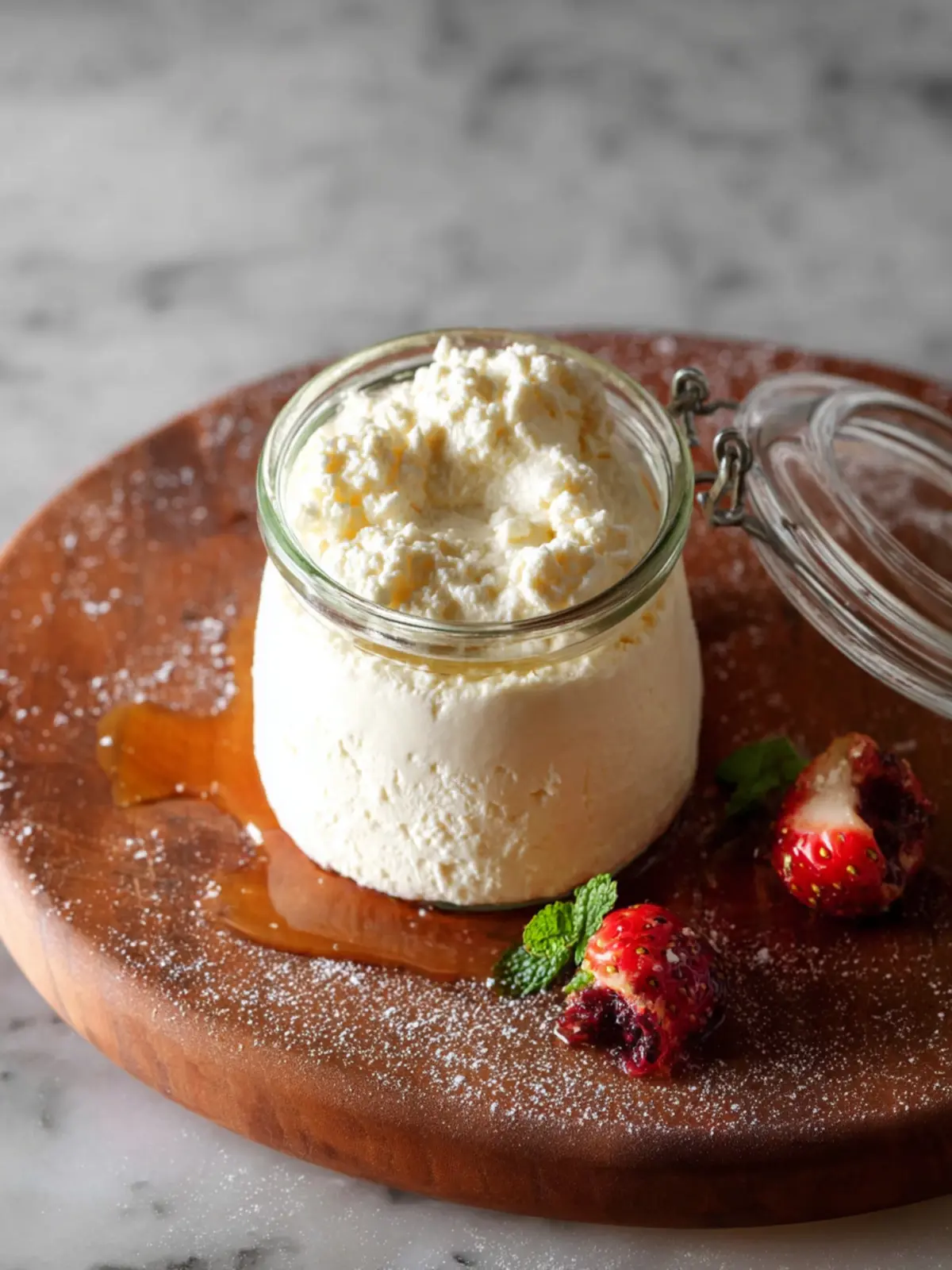
Key Ingredients for Making Ricotta Cheese
Making ricotta cheese at home is not just a rewarding process; it opens up a world of culinary possibilities. When I first tried making this creamy delight, I was amazed by how simple the key ingredients were—and how dramatically they impacted the final product.
-
Whole Milk: The star of this recipe! Using whole milk creates a rich and creamy texture. If you can find it, try using milk sourced from local farms; it can truly elevate the flavor.
-
Heavy Cream: This adds an incredible richness, making your ricotta extra decadent. The combination of cream with milk ensures a wonderfully smooth consistency.
-
Acid (Lemon Juice or White Vinegar): This is what transforms your milk into ricotta. Acid promotes curd formation, so be generous but monitor the taste to avoid an overly tangy flavor.
-
Salt: A touch of salt enhances the flavor profile of your ricotta. Just a pinch is enough to bring out the natural sweetness of the milk.
The beauty of learning how to make ricotta cheese is that you know exactly what goes into it, ensuring a fresh result that’s perfect for both savory and sweet dishes. Happy cheese-making!
Why You’ll Love This Recipe
Learning how to make ricotta cheese at home is an absolute game changer. Imagine the creamy, velvety texture of homemade ricotta, fresh from the kitchen, ready to elevate your dishes! This simple recipe not only fills your home with delightful aromas, but it also allows you to customize the flavors to your liking—what’s not to love?
-
Freshness: Store-bought ricotta can’t compete with the freshness of making your own. Each bite bursts with a rich, creamy flavor that brings every dish to life, whether you’re spreading it on toast or mixing it into pasta.
-
Simplicity: With just a few basic ingredients and minimal time, you can whip up this delicious cheese effortlessly. It’s perfect for a busy weeknight or a leisurely weekend cooking adventure.
-
Versatility: Use your homemade ricotta in a variety of dishes—from savory lasagna to sweet desserts like cheesecake. You can even stir it into soups for added creaminess or serve it with honey for a heavenly breakfast.
Give this recipe a try, and you might just find yourself crafting ricotta cheese regularly, filling your kitchen with joy and deliciousness. Who knew something so simple could taste so incredible?
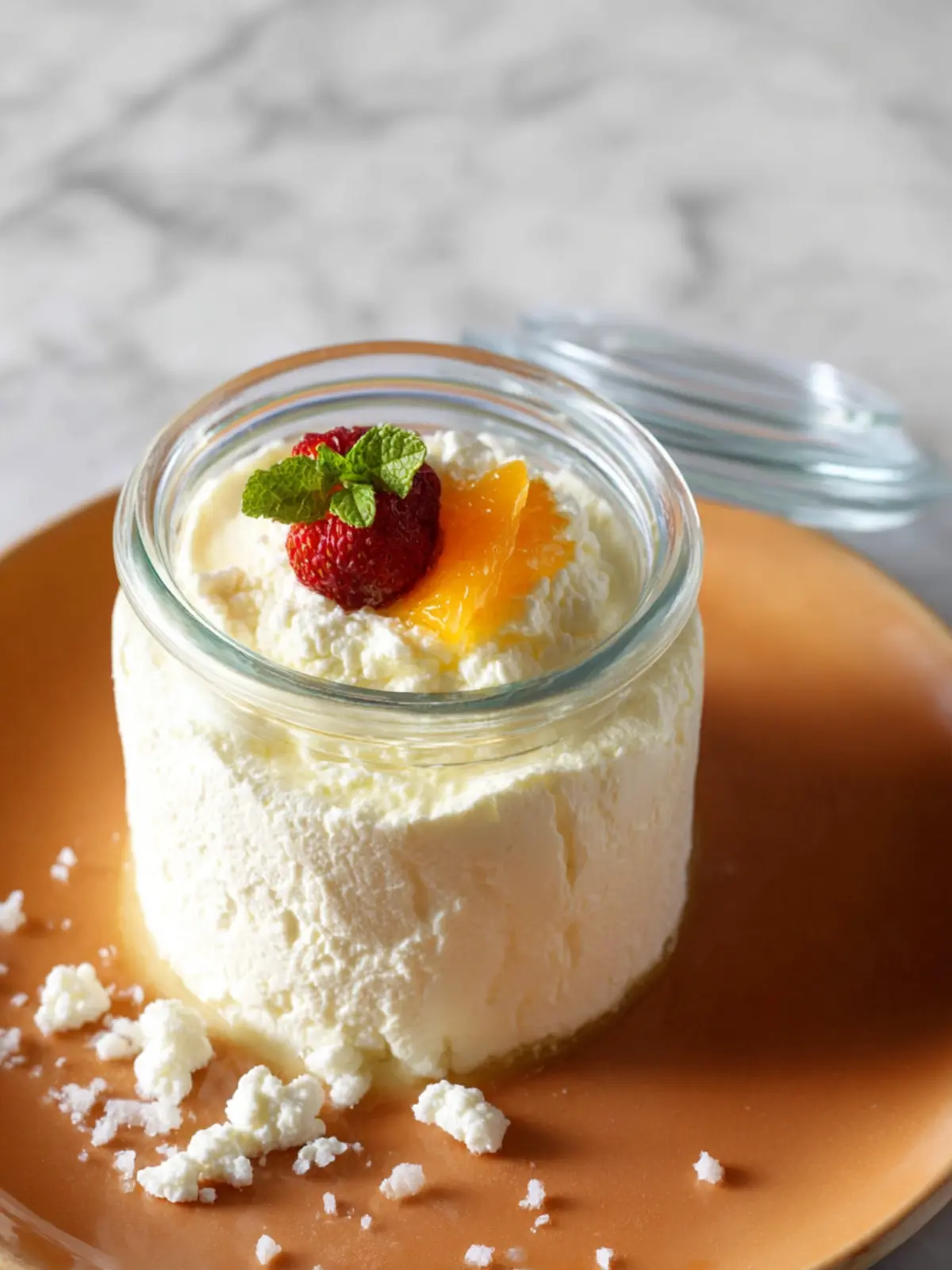
Variations on Ricotta Cheese
Ricotta cheese has a fascinating ability to adapt and transform in various recipes, making it a go-to choice in both savory and sweet dishes. Understanding how to make ricotta cheese at home opens up a world of delightful variations that can elevate your culinary creations.
Herbed Ricotta
Infusing ricotta with fresh herbs like basil, parsley, or dill enhances its flavor profile, making it an excellent spread for crostini or as a filling for stuffed pasta. Just mix finely chopped herbs into your homemade ricotta for a refreshing twist.
Lemon Zest Ricotta
Adding a hint of lemon zest to your ricotta can brighten its flavor, making it perfect for desserts or breakfast dishes. This zesty variation pairs wonderfully with honey and toast, creating a delightful morning treat.
Savory Ricotta Blends
For a heartier option, consider mixing in sun-dried tomatoes, olives, or roasted garlic. These ingredients enrich the ricotta, and the result is perfect for dolloping on pizza, adding depth to pasta dishes, or transforming into a savory dip.
Ricotta & Spinach Mixture
Combine ricotta with sautéed spinach and a sprinkle of nutmeg for a classic filling for cannelloni or stuffed shells. This version adds a nutritious touch while delivering a comforting flavor.
Embracing these variations can truly elevate your dishes and showcase the versatility of ricotta cheese!
Cooking Tips and Notes for Ricotta Cheese
Making ricotta cheese at home can be a rewarding kitchen project, bringing the delightful freshness of this creamy cheese to your dishes. Understanding a few tips can elevate your ricotta-making experience and ensure impeccable results.
Whole Milk Matters
Using whole milk is essential for the best flavor and creaminess. Look for high-quality, preferably locally-sourced milk. Avoid skim or low-fat varieties, as they’ll yield a less rich texture.
Opt for Fresh Ingredients
Always use fresh lemon juice or vinegar to curdle the milk. The acidity from fresh ingredients enhances the flavor profile, making your ricotta taste authentically homemade. Bottled lemon juice lacks the brightness that fresh juice provides.
Be Attentive to Heat
When heating the milk, do so gently and stir occasionally. Bring it to a slow simmer rather than a rapid boil. This will help you achieve the right curd formation while avoiding any burning or scorching, which can negatively affect the flavor.
Drain Wisely
Once curds form, draining them is crucial. Use a fine mesh strainer lined with cheesecloth for a smooth texture. For creamier ricotta, drain for a shorter time; for a firmer consistency, let it sit longer.
Tweak to Taste
Feel free to experiment by adding a pinch of salt or herbs to your ricotta. This can personalize the flavor and make it perfect for your favorite recipes, whether it’s a sweet dessert or a savory pasta dish.
Remember, mastering how to make ricotta cheese is not just about technique—it’s also about enjoying the process and savoring the delightful results!
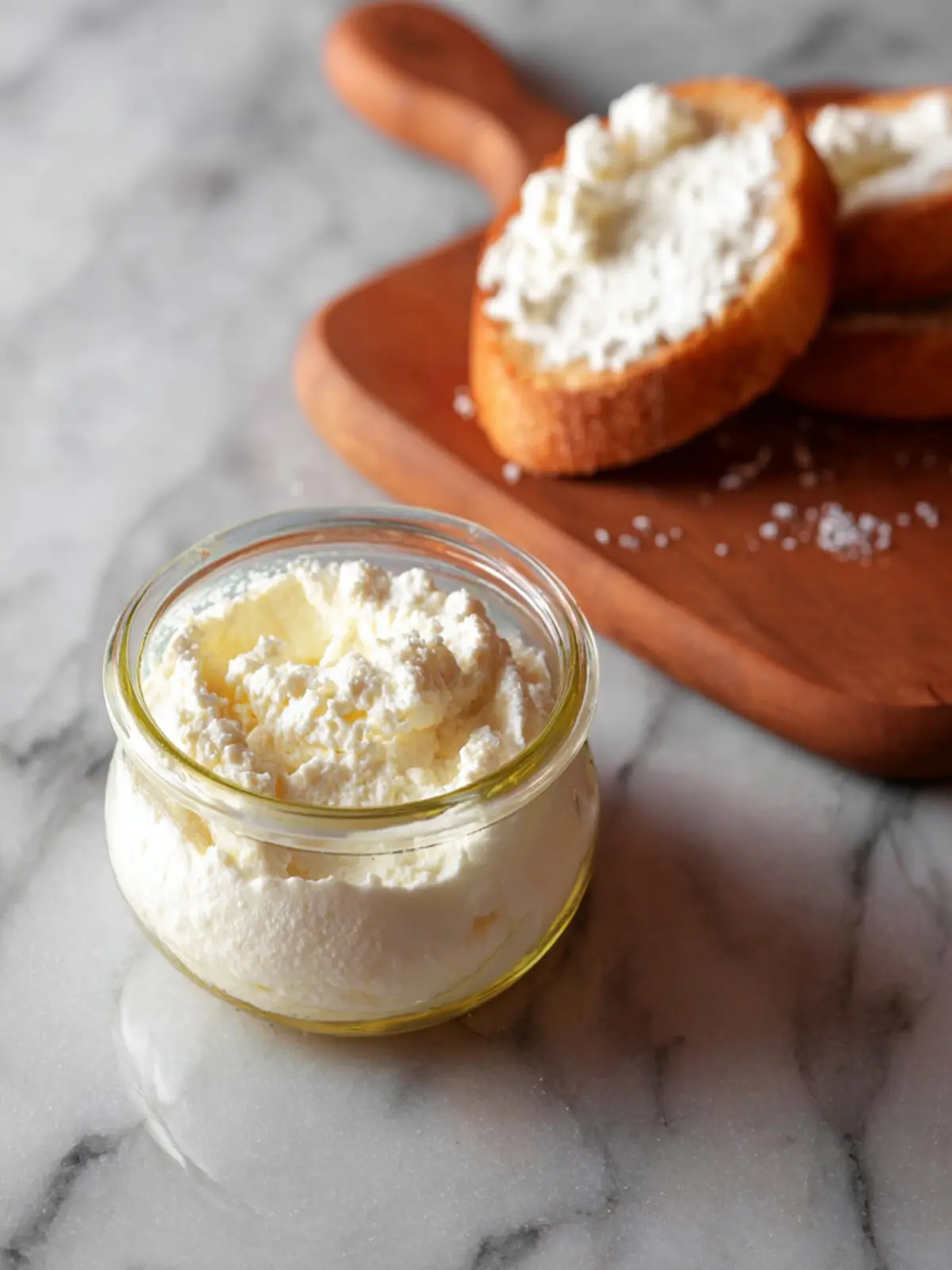
Serving Suggestions for Ricotta Cheese
Creating ricotta cheese at home opens up a world of culinary possibilities that can elevate any meal. Imagine the creamy texture and rich flavor crafted from simple ingredients coming together to play a starring role in your dishes. Below are a few delightful serving suggestions to inspire your next meal.
Serve it with Fresh Fruits
Ricotta cheese pairs beautifully with fresh fruits. Try topping it with slices of juicy strawberries, peaches, or blueberries for a refreshing breakfast or snack. Drizzle a bit of honey or a sprinkle of cinnamon to amplify the flavors. The creamy, mild taste of ricotta balances the bursts of sweetness perfectly.
Use It in Savory Dishes
If you’re planning to whip up a savory dish, ricotta can be a game-changer. Spread it onto toasted bread or bruschetta, then add toppings like cherry tomatoes, garlic, or fresh basil for an enticing appetizer. You can also incorporate it into pasta dishes, blending it with fresh herbs to create a luxurious sauce. The versatility of ricotta shines in stuffed shells or lasagna, adding a rich creaminess that can’t be beaten.
Incorporate in Desserts
Don’t overlook ricotta for desserts! Mix it into pancakes for a fluffy breakfast treat or use it in cheesecake recipes for an Italian twist. You might even enjoy it with a dash of vanilla extract, topped with nuts and a drizzle of maple syrup for an indulgent dessert.
These suggestions highlight just how delightful and adaptable ricotta cheese can be. Don’t be afraid to experiment and discover your own favorite combinations! With the knowledge of how to make ricotta cheese, you’ll never run out of ways to enjoy this creamy delight.
Time Breakdown for Making Ricotta Cheese
Making homemade ricotta cheese is a delightful discovery for your culinary repertoire, transforming simple ingredients into something exquisite. Here’s a helpful breakdown of the time required to craft this creamy cheese:
Preparation time
Getting everything ready will take about 10 minutes. Measure out your ingredients, and gather your pots and utensils.
Cooking time
The stove work involves heating the milk, which typically takes around 20 minutes. Stir occasionally for even heating—this is when the magic begins!
Draining time
After cooking, you’ll need about 30 to 60 minutes for the cheese to drain properly. This step enhances the texture, allowing you to enjoy a drier, more flavorful ricotta.
Total time
In total, you’re looking at approximately 1 to 2 hours from start to finish. Although it may take a bit of time, the delightful results are truly worth the wait!
Nutritional Facts for Homemade Ricotta Cheese
Making your own ricotta cheese not only transforms your dishes but also opens doors to understanding its nutritional benefits. This delightful addition to your meals is both versatile and good for you.
Calories
A typical serving of homemade ricotta cheese (about 1/2 cup) contains approximately 300 calories. This makes it a hearty option for your meals without being overly heavy.
Protein
One of the standout features of ricotta is its protein content. Each 1/2 cup serving packs around 14 grams of protein, which makes it great for muscle repair and satiety, keeping you full longer.
Fat
Homemade ricotta cheese usually contains about 20 grams of fat per 1/2 cup serving. While this may sound significant, it’s worth noting that much of this is healthy fat, primarily from the milk, making it a nutritious source of energy.
Embrace the joy of how to make ricotta cheese and enjoy these nutritional perks while impressing your friends and family with your culinary skills!
FAQs about Making Ricotta Cheese
When diving into the delightful world of how to make ricotta cheese, you may find yourself brimming with questions. This simple yet satisfying cheese can enrich various dishes, but it’s completely normal to be curious about the process and its nuances. Here are some common questions that fellow cheese-makers often ask.
Can I use low-fat milk to make ricotta cheese?
Absolutely! While whole milk typically yields a creamier, richer ricotta, using low-fat milk is a viable option if you’re looking to cut calories. Just keep in mind that the final texture might be slightly less creamy. To enhance richness, consider adding a splash of cream or whole milk even if you’re primarily using low-fat milk.
How do I store homemade ricotta cheese?
Storing your homemade ricotta cheese doesn’t have to be complicated. Once cooled, transfer it to an airtight container and refrigerate. It can last for about 1 week. If you plan on keeping it longer, consider freezing it. Just remember that freezing may alter the texture a bit, so it’s best enjoyed fresh!
What dishes can I use ricotta cheese in?
The versatility of ricotta cheese is one of its best features! You can use it in:
- Lasagna for a creamy layer
- Stuffed pasta like ravioli or cannelloni
- Desserts such as cheesecake or pancakes
- Savory dishes like quiches or savory tarts
- Plus, it’s delightful spread on toast with a drizzle of honey or paired with fruits as a snack.
Making ricotta cheese is not just about crafting a delicious cheese; it’s about enhancing the flavors in your favorite recipes. Happy cheese-making!
Conclusion on Making Ricotta Cheese
Embarking on your journey to make ricotta cheese at home is a rewarding experience that adds a unique touch to your culinary repertoire. What’s great about this process is its simplicity and the exquisite taste of freshly made cheese. Once you’ve mastered the basic steps, don’t hesitate to experiment with flavors or textures — think herbs, spices, or even infused oils!
Enjoy your ricotta immediately in dishes, or store it in the fridge for future culinary creations. With practice, you’ll find that not only do you create delicious cheese, but you also cultivate a fulfilling hobby that pays off in flavor and creativity. Get ready to impress your friends with your homemade delights!
Print
Homemade Ricotta Cheese
- Total Time: 2 hours 30 minutes
- Yield: 2 cups 1x
- Diet: Vegetarian
Description
Learn how to make fresh ricotta cheese at home with just a few ingredients!
Ingredients
Scale
- 4 cups whole milk
- 2 cups heavy cream
- 1/4 cup fresh lemon juice
- 1 1/2 – 2 teaspoons sea salt
Instructions
- Pour the milk and cream into a large stock pot. Place over high heat and bring to a boil. The moment the milk comes to a boil, remove it from the burner.
- Stir in the lemon juice and salt. (I like my fresh ricotta cheese salty and use 2 teaspoons of sea salt, but use less if you like.) Allow the mixture to sit and curdle for 10 minutes.
- Meanwhile, place a large sieve over a large bowl. Line the sieve with 3-4 layers of cheese cloth. Pour the curdled milk into the prepared sieve and wait.
- Allow the ricotta to drain, separating the curds and whey, for about two hours. Then scoop the thickened ricotta into an airtight container and refrigerate until ready to serve.
Notes
- This homemade ricotta is perfect for pasta dishes, lasagna, or simply enjoying on toast.
- Store the ricotta in an airtight container in the refrigerator.
- Prep Time: 10 minutes
- Cook Time: 20 minutes
- Category: Cheese
- Method: Stovetop
- Cuisine: Italian
Nutrition
- Serving Size: 1/4 cup
- Calories: 300
- Sugar: 6g
- Sodium: 400mg
- Fat: 22g
- Saturated Fat: 14g
- Unsaturated Fat: 6g
- Trans Fat: 0g
- Carbohydrates: 6g
- Fiber: 0g
- Protein: 10g
- Cholesterol: 80mg