Follow Me On Social Media!

St Joseph’s Day Pastry: Irresistibly Sweet Homemade Delights

Introduction to St Joseph’s Day Pastry
St Joseph’s Day Pastry is not just a delightful treat; it carries a rich cultural significance that harks back generations. Known as Zeppole, this decadent pastry is traditionally enjoyed on March 19 to celebrate St. Joseph’s Day, and it’s a delicious way to honor the patron saint of Italy. Imagine a crowd gathered, sharing stories and pastries, as the sweet aroma wafts through the air. This pastry embodies community and celebration, making it a must-try for anyone eager to explore Italian culinary traditions.
What makes St Joseph’s Day Pastry so unique? The answer lies in its blend of flavors, textures, and history. These pastries vary from region to region but generally consist of a creamy filling, often made with ricotta or pastry cream, and are sometimes topped with powdered sugar, cherries, or even a drizzle of chocolate. It’s this variety that keeps the allure strong, inviting everyone—whether seasoned bakers or curious newbies—to put their own twist on this classic.
Additionally, these treats are usually fried or baked until golden brown, resulting in a fluffy, airy interior that perfectly contrasts with the crispy outer layer. The fillings often change based on familial recipes, ensuring each batch achieves a personal touch. The ritual of making St Joseph’s Day Pastry brings families together and fosters a sense of nostalgia; many will recount fond memories of kitchen hijinks while whipping up the batter.
As you prepare to dive into making your own St Joseph’s Day Pastry, you’ll find the process not only rewarding but also a wonderful opportunity to celebrate a day steeped in history and tradition. Whether you share your creation with loved ones or enjoy one solo with a cup of coffee, this pastry is sure to transport you to a bustling Italian bakery, no plane ticket required. Get ready to roll up your sleeves—this culinary journey awaits!

Key Ingredients for St Joseph’s Day Pastry
Creating a traditional St Joseph’s Day Pastry brings warmth and joy to the kitchen, especially when made with love and the right ingredients. Each component plays a crucial role in crafting this flavorful and festive treat.
-
Dough: The base of your pastry recipe is a rich dough made from a mix of flour, butter, and eggs. I prefer to use unsalted butter for a more controlled flavor, ensuring the natural sweetness shines through.
-
Ricotta Cheese: This velvety cheese adds creaminess and a subtle richness to the filling. Make sure to use fresh ricotta for the best flavor, as it offers a lightness that is essential for this pastry.
-
Sugar: Granulated sugar sweetens the ricotta filling, balancing the flavors beautifully. You could also experiment with a little bit of confectioners’ sugar for a more delicate touch.
-
Cinnamon and Vanilla: These classic flavor enhancers give the pastry a warm, aromatic quality, transporting you straight to a family gathering. A little goes a long way, but don’t hesitate to adjust based on your preferences.
-
Eggs: Aside from the dough, eggs are essential in binding the filling together and adding a lovely richness. Using them at room temperature often helps in achieving a smoother consistency.
-
Orange Zest: A sprinkle of fresh orange zest brightens the filling, adding a refreshing note that perfectly complements the richness of the ricotta. It’s one of those secret ingredients you may not expect but is simply delightful!
Altogether, these ingredients support the rich heritage of St Joseph’s Day Pastry, ensuring each bite is packed with flavor and tradition.
Why You’ll Love This St Joseph’s Day Pastry
The joy of savoring St Joseph’s Day Pastry goes beyond just flavor—it’s about celebrating tradition and loved ones. Each bite transports you to a festive family gathering, rich with heartfelt stories and laughter. This pastry, often filled with sweet ricotta and finished with a dusting of powdered sugar, embodies the spirit of togetherness, making it the perfect treat to share with friends and family.
Rich, Flavorful Filling
At the heart of this St Joseph’s Day Pastry is the creamy ricotta filling, which brings a silky texture and a deliciously sweet flavor that tantalizes the taste buds. This traditional filling is often enhanced with citrus zest, providing a refreshing contrast that elevates the overall experience. You can easily customize this filling by adding a hint of vanilla or almond extract, personalizing it to your taste.
Beautiful Presentation
Freshly baked, the golden-brown crust perfectly cradles the filling, making a stunning visual treat. With a light glaze and a sprinkle of powdered sugar, these pastries not only taste amazing but look appealing on any dessert table. Whether it’s for a celebratory feast or a simple Sunday brunch, they’re sure to impress.
Community and Tradition
Baking St Joseph’s Day Pastry is also a lovely way to connect with your heritage or explore new culinary adventures. Engaging in this time-honored recipe invites thoughtful conversations about family histories and traditions, creating delicious memories that last a lifetime.
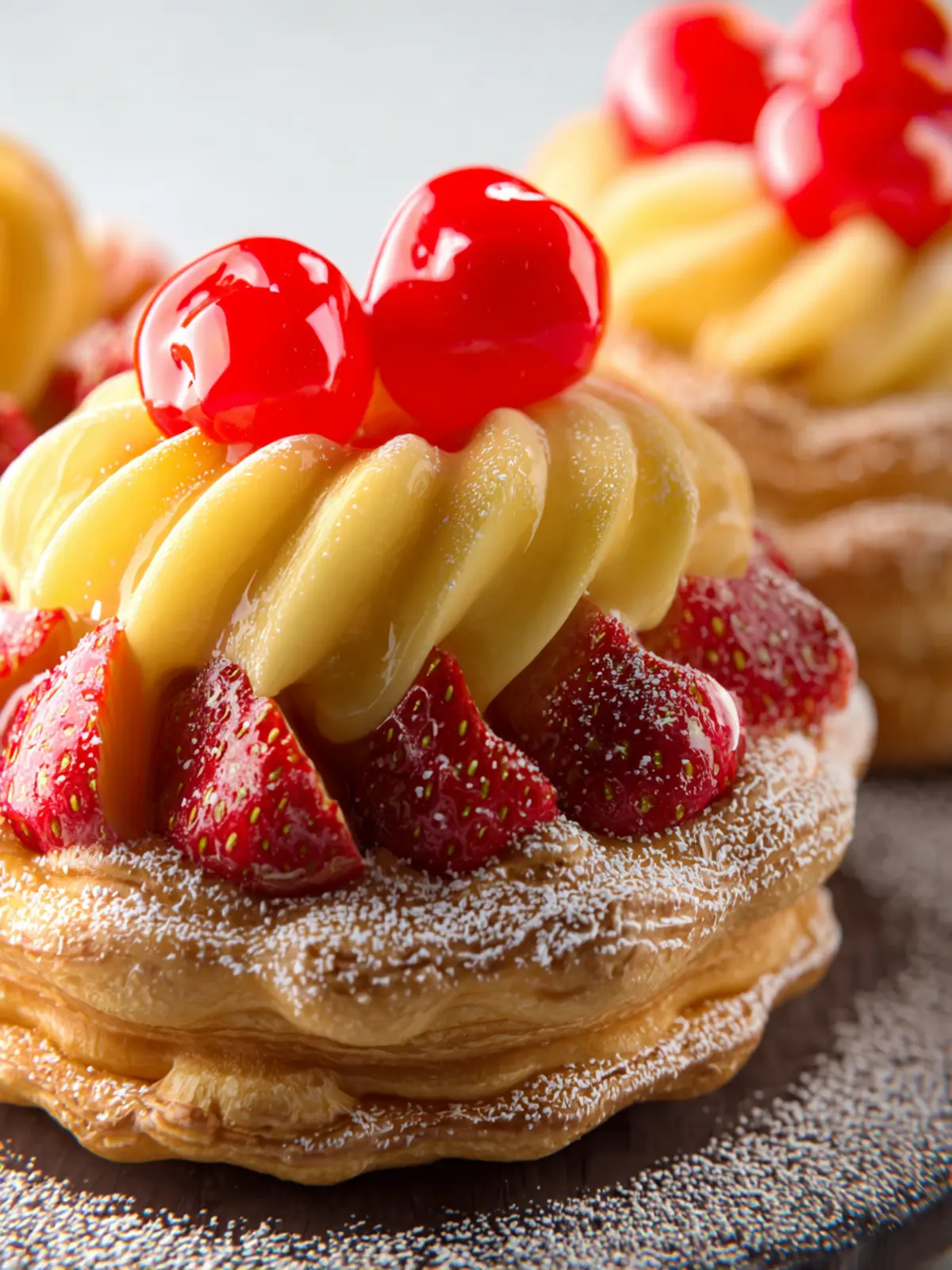
Variations to Try with St Joseph’s Day Pastry
Exploring different variations of St Joseph’s Day Pastry can transform this delightful treat into something uniquely personal. If you’re gathering with friends or family, why stick to just one filling?
Sweet and Savory Creations
- Custard Filling: Instead of the traditional ricotta, consider using a rich vanilla custard. It adds a creamy texture and a custardy flavor that nods to classic pastries.
- Chocolate Hazelnut Spread: For a modern twist, substitute the filling with chocolate hazelnut spread. The combination of flaky pastry and rich chocolate creates a comforting dessert that many will love.
Seasonal Ingredients
- Fresh Berries: When berries are in season, incorporate a mix of strawberries, blueberries, or raspberries. The tartness of the berries beautifully balances the sweetness of the pastry.
- Citrus Zest: Adding some lemon or orange zest to the filling can brighten the flavor profile. Citrus pairs wonderfully with the creamy textures and adds a refreshing zing.
Alternative Flours
- Almond Flour: For a gluten-free option, consider using almond flour to make the pastry dough. It offers a slightly nutty flavor and a wonderful texture that complements the sweet fillings.
Feel free to get creative with these ideas and make St Joseph’s Day Pastry your own! Each variation adds a personal touch, making your celebration even more special.
Cooking Tips and Notes for Perfect St Joseph’s Day Pastry
Creating the ultimate St Joseph’s Day Pastry is an experience filled with tradition and flavors, and a few insider tips can elevate your baking. Whether you’re a seasoned pro or trying your hand at pastries for the first time, these suggestions will help ensure that your creation comes out beautifully.
Choose Quality Ingredients
- Ricotta: Using fresh ricotta can make all the difference. It’s creamier and less grainy than the store-bought variety, adding a rich texture to your pastry.
- Pastry Dough: For the best results, go for a homemade dough if you have time. A buttery, flaky pastry elevates the dish significantly, though store-bought can also work in a pinch.
Mastering the Filling
- Flavor Balance: A touch of lemon zest in your filling enhances its sweetness and gives a refreshing dimension. Be sure to avoid overmixing; a gentle stir ensures a delicate consistency.
- Nut Variations: If you’re not a fan of almonds, feel free to experiment with other nuts like pistachios, which can add an interesting twist to the flavor profile.
Baking Tips
- Temperature Check: Baking at the right temperature is crucial. Preheat your oven thoroughly, as uneven heat can lead to undercooked pastries.
- Egg Wash: Brushing the tops with an egg wash will give your St Joseph’s Day Pastry a beautiful golden finish. It’s about appearance, but also adds a nice sheen.
With these tips, you’re well on your way to crafting a delightful St Joseph’s Day Pastry that will have everyone asking for seconds! Happy baking!
Serving Suggestions for St Joseph’s Day Pastry
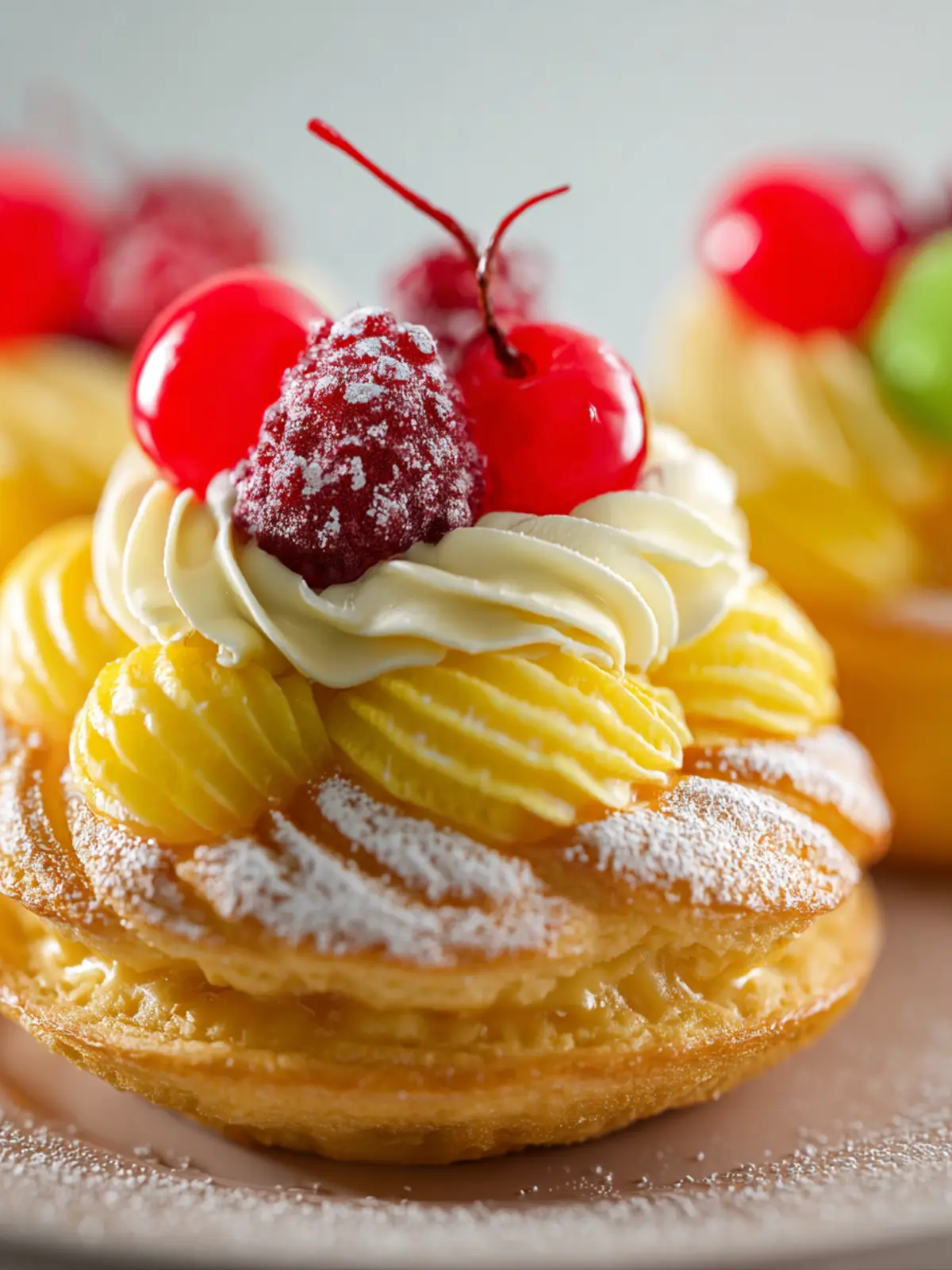
When celebrating St Joseph’s Day, the rich and flavorful St Joseph’s Day Pastry becomes a centerpiece of your festivities. After all that effort in the kitchen, it’s essential to elevate this delightful treat to match the spirit of the occasion. Here are some serving suggestions that will not only please your guests but also add a special touch to your gathering.
Pair with Sweet Drinks
Consider serving your St Joseph’s Day Pastry alongside a light, sweet wine or a classic espresso. The rich flavors of the pastry harmonize beautifully with the boldness of coffee or the refreshing notes of a dessert wine, creating a balanced indulgence.
Add Fresh Fruit
Fresh fruit can cut through the richness of the pastry. Try serving alongside some seasonal berries or citrus slices. Not only do they brighten the presentation, but they also offer a lovely contrast of flavor that complements the sweet filling.
Garnish Thoughtfully
A sprinkle of powdered sugar can enhance the visual appeal and add an extra touch of sweetness. Alternatively, consider drizzling a soft icing or glaze over the top for a more decadent finish.
Perfect for Sharing
This pastry works beautifully as part of a dessert platter. Mix it with other traditional Italian treats like biscotti or cannoli for a delightful end to your meal, encouraging guests to sample a variety of flavors.
By keeping it simple yet thoughtful, you can truly make your St Joseph’s Day Pastry shine!
Time Breakdown for St Joseph’s Day Pastry
Getting ready to celebrate St Joseph’s Day? Crafting the perfect St Joseph’s Day Pastry can be a delightful endeavor, bringing joy to your kitchen and your loved ones. Here’s how you’ll break down your time while making this classic treat:
Preparation Time
You’ll need about 30 to 45 minutes to gather ingredients, mix the dough, and prepare your filling. It’s all about taking your time to ensure each layer is perfect for that traditional touch.
Baking Time
After preparation, pop your pastries into the oven for about 25 to 30 minutes. This is when the kitchen fills with that mouthwatering aroma of freshly baked pastries.
Cooling Time
Once out of the oven, let the St Joseph’s Day Pastry cool for at least 20 minutes before serving. Trust me, that slight patience pays off!
Total Time
From start to finish, you’re looking at around 1 to 1.5 hours to create these heavenly treats. Gather the ingredients, enjoy the process, and savor the delicious rewards of your efforts.
Nutritional Facts for St Joseph’s Day Pastry
In preparing your delightful St Joseph’s Day Pastry, it’s essential to understand its nutritional profile, especially if you’re balancing your culinary treats with a healthy lifestyle. Here’s a breakdown:
Calories
A typical serving of St Joseph’s Day Pastry packs approximately 250 calories. This treats your taste buds while being mindful of your daily intake.
Fat
The pastry contains around 12 grams of fat, primarily from butter and cream cheese. While this adds richness, it’s good to enjoy in moderation, so be sure to savor every bite.
Sugar
With about 10 grams of sugar per serving, this sweet indulgence is a treat for your palate. Consider balancing it with healthier meals throughout your day to keep your diet on track.
By understanding these facts, you can enjoy your St Joseph’s Day Pastry without any guilt and appreciate the balance between tradition and nutrition.
FAQ about St Joseph’s Day Pastry
St Joseph’s Day Pastry is more than just a delightful treat; it’s a celebration of heritage and delicious flavors rolled into one. If you’re diving into making this pastry, you might have a few questions. Let’s address some common queries that often arise when preparing this special recipe.
Can I make St Joseph’s Day Pastry ahead of time?
Absolutely! You can prepare the St Joseph’s Day Pastry a day in advance. For the best results, I recommend baking the pastry ahead of time and letting it cool completely. After that, store it in an airtight container in your refrigerator. Just remember, while it’s fine to prepare it ahead, the pastry is best enjoyed freshly baked. If you want that fresh-out-of-the-oven experience, warm it up for a few moments before serving!
What are the best storage practices for this pastry?
To keep your St Joseph’s Day Pastry at its finest, follow these storage tips:
- Cool Completely: Allow the pastry to cool to room temperature.
- Airtight Container: Store it in an airtight container to avoid moisture buildup.
- Refrigeration: Given that it contains cream or custard, refrigerate it if not consumed within a few hours.
- Freezing: If you need to store it for longer, consider freezing individual portions. Just wrap them tightly in plastic wrap and place them in a freezer-safe container.
Can I substitute ingredients in this recipe?
Certainly! While I recommend sticking to the original ingredients for authenticity, there are some substitutes you can consider:
- Dairy Alternatives: If you’re lactose intolerant, using almond or oat milk in place of regular milk works well.
- Flour Variations: For a gluten-free option, a 1:1 gluten-free flour blend can be used.
- Flavoring: You can switch out traditional flavors like cinnamon or lemon zest with your favorite spices to create a unique twist.
Embrace your creativity, but keep in mind the balance of flavors for the best results!
Conclusion on St Joseph’s Day Pastry
As we wrap up our journey through the delicious world of St Joseph’s Day Pastry, it’s clear that this treat is more than just a recipe; it’s a celebration of culture, history, and family. Whether you’re making them for a festive gathering or simply to enjoy at home, these pastries embody a unique tradition that brings everyone together.
Remember, the key to a perfect St Joseph’s Day Pastry lies in the love and care you put into each layer of dough and each filling. So, roll up your sleeves and give this delightful pastry a try. You just might create a new annual tradition in your kitchen!
Print
Pastry Cream Filled Choux Pastry
- Total Time: 1 hour
- Yield: 12 servings 1x
- Diet: Vegetarian
Description
Delicious choux pastry filled with creamy pastry cream and topped with cherries.
Ingredients
Scale
- 1 1/4 cup water
- 1 2/3 cup all purpose flour
- 1/2 cup salted butter, softened
- 4 large eggs
- 1/2 tsp salt
- 2 2/3 cups whole milk
- 6 large egg yolks
- 1/2 cup granulated white sugar
- 1/2 cup corn starch
- 1/2 cup salted butter
- 1 tbsp vanilla extract
- 1/4 cup powdered sugar
- 12 maraschino cherries or compote cherries
Instructions
- First, in a medium sized pot on the stove on high heat, add butter and melt it. Immediately add the water (1 1/4 cups) and salt (1/2 tsp). As soon as it comes to a boil, reduce heat to low and add all of the flour. Stir until it becomes thick and malleable and then turn off heat.
- Next, place it into a large mixing bowl and allow it to cool for 5 minutes. Then, mix the dough for about a minute.
- Important: Add eggs only ONE AT A TIME after each has been combined into the dough. The dough should be smooth after the last egg.
- Then, add parchment paper or silicone mats to two large baking sheets.
- Preheat oven to 400F.
- Then, put the dough into a pastry bag with large star tip (optional) and begin piping the dough in round circles about two inches apart on the baking sheets. You can pipe one layer to use each as a top and a bottom, or you can pipe two layers on each to make them taller and then cut them in half when they’re cool to fill with custard. The latter option will make larger pastries than the former.
- Next, bake them until they get a brown coating on top which will be about 25 minutes and then add 3-4 more minutes. They need to be lightly browned on top before you remove them. Do not remove them beforehand.
- My suggestion is to do one baking sheet at a time because the bottom rack may not brown as quickly as the top if you bake them at the same time.
- Let them cool.
- First, in a large mixing bowl, add egg yolks, vanilla extract and sugar and mix. Add the corn starch and of the milk. Mix until smooth.
- Then, in a medium sized pot (non-stick preferably,) add remaining two cups of milk and 1/2 cup of butter. Heat it but, don’t bring it to a boil. Turn the heat to low and begin adding the egg mixture. Stir quickly to combine and keep stirring it constantly until it thickens. Scrape the bottom when it starts sticking. Do not overcook or it’ll burn.
- Remove from heat and cover and allow it to cool until ready to use.
- First, place the pastry cream into a piping bag with the star tip but, it isn’t necessary to use the pastry bag and star tip. You may also just spoon the cooked pastry dough into a gallon-sized plastic zipper bag and cut the corner one inch as a substitute piping bag and not use the star tip.
- Once the cooked pastry dough is cool, cut them in half. If you ended up with flat pastry you may also use them and just pipe the cream on top of half of them and top them with the other half.
- Then, put a one inch dollop of cream on the top, in the middle as shown on each.
- Next, sprinkle with powdered sugar or do it just before serving.
- Then, top with a cherry on the dollop of cream. Cover with plastic wrap and refrigerate until ready to serve.
Notes
- Allow the choux pastry to cool completely before cutting and filling.
- Use fresh cherries for best taste and presentation.
- If desired, you can add a chocolate drizzle on top for extra flavor.
- Prep Time: 30 minutes
- Cook Time: 30 minutes
- Category: Dessert
- Method: Baking
- Cuisine: French
Nutrition
- Serving Size: 1 pastry
- Calories: 250
- Sugar: 10g
- Sodium: 150mg
- Fat: 15g
- Saturated Fat: 9g
- Unsaturated Fat: 3g
- Trans Fat: 0g
- Carbohydrates: 28g
- Fiber: 1g
- Protein: 5g
- Cholesterol: 45mg