Follow Me On Social Media!

Homemade Peanut Butter: The Best Creamy Spread You’ll Love

Introduction to Homemade Peanut Butter
Picture this: the smell of freshly roasted peanuts wafting through your kitchen, the satisfying sound of blending as you create a rich, creamy spread that comes together in mere minutes. That’s the magic of homemade peanut butter. Crafting your own peanut butter at home isn’t just an opportunity to impress friends at brunch; it’s a delightful journey that allows you to create a product that’s tailored exactly to your taste.
Why should you make homemade peanut butter? Let’s count the ways! For starters, the flavors you can achieve by using quality, fresh ingredients are simply unmatched by store-bought varieties. Have you ever noticed what goes into those jars in the supermarket? Many contain hidden sugars, unhealthy oils, and preservatives that can detract from the wholesome goodness of natural peanuts. By opting to make it yourself, you control every ingredient that goes into your butter.
But it’s not just about health; it’s also about customization. Want a hint of added sweetness? A sprinkle of salt? Perhaps a drizzle of honey or maple syrup? With homemade peanut butter, the options are endless. You can play around with textures, too—smooth or crunchy, depending on your mood!
On top of that, making your own peanut butter can be a cost-effective choice, especially considering the price of nut butters in store. Buying raw peanuts in bulk is often more economical and allows you to whip up your favorite spread whenever you need it.
And let’s not forget the wonderful feeling of accomplishment you get when you’ve created something delicious all on your own. Imagine the satisfaction of spreading your homemade peanut butter on warm toast or swiping it into your smoothie.
So, ready to dive into the world of homemade peanut butter? Grab your peanuts, a high-speed blender, and let’s embark on this tasty adventure together!
Why You Should Make Homemade Peanut Butter
Making homemade peanut butter not only promotes healthier eating habits but also sparks creativity in the kitchen. Here are some compelling reasons to get started:
- Quality Control: You choose the ingredients, ensuring everything is natural and nutritious.
- Flavor Customization: Adjust sweetness, saltiness, or even add spices to match your preferences.
- Cost-Effective: Buying peanuts in bulk can save you money over time compared to store-bought options.
- Personal Satisfaction: There’s something wonderfully fulfilling about creating your own food from scratch.
With these benefits in mind, it’s time to embrace the homemade approach!
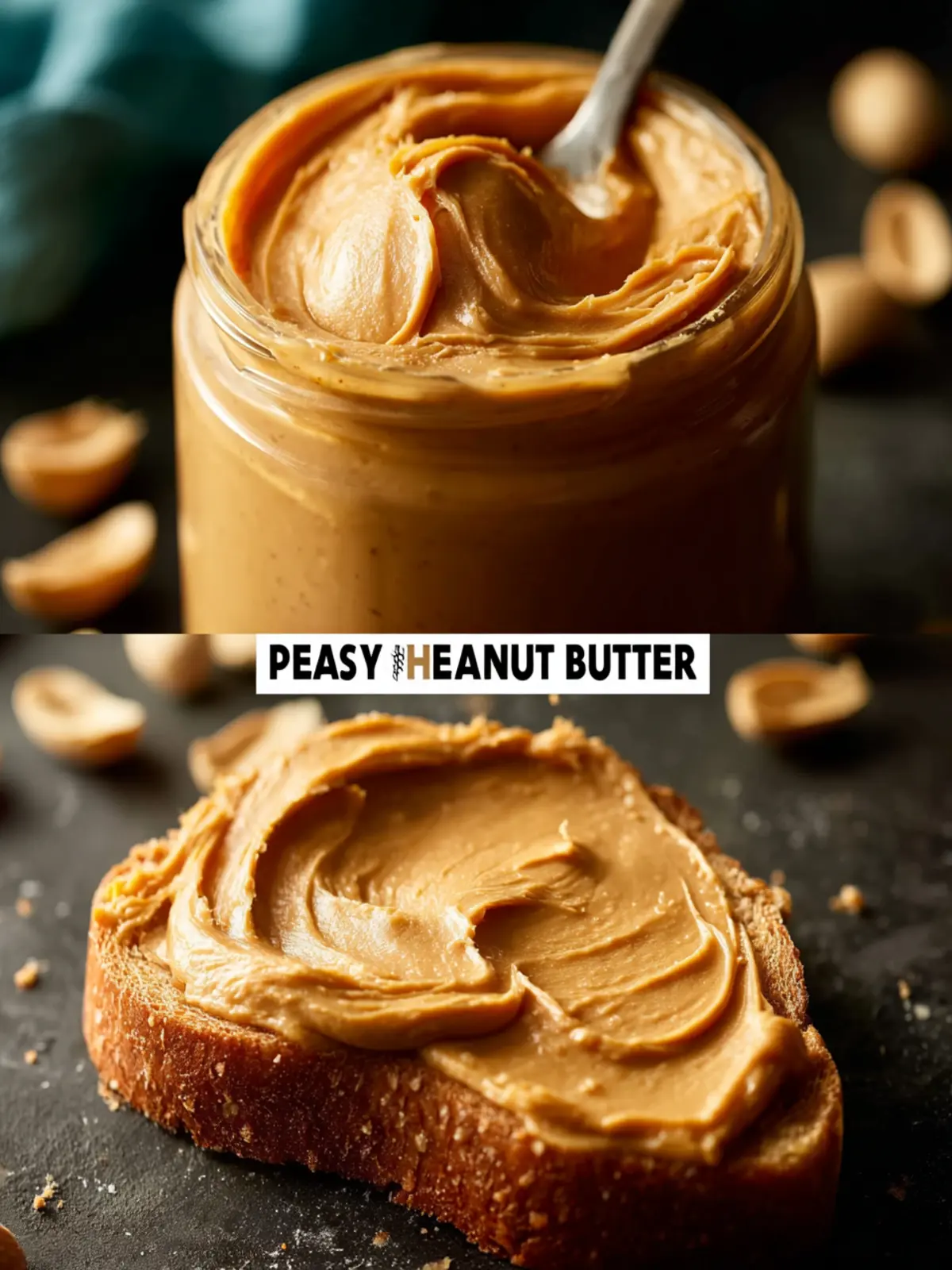
Key Ingredients for Homemade Peanut Butter
Creating your own homemade peanut butter is a delightful adventure that brings out the nutty goodness like no store-bought version ever can. Let’s break down the essential ingredients that will make your peanut butter experience truly stellar.
-
Peanuts: The star of the show! I recommend using roasted peanuts for a deeper flavor. While you can opt for unsalted varieties, a pinch of salt can enhance the overall taste. If you prefer a sweeter spread, honey-roasted peanuts work wonders too!
-
Oil: Adding a neutral oil, such as peanut or light olive oil, helps achieve a creamy consistency. A tablespoon is usually enough; however, you can adjust based on your texture preference.
-
Salt: If you chose unsalted peanuts, don’t forget to add salt to taste. This little ingredient can elevate the flavor profile significantly and bring out the richness of the peanuts.
-
Sweetener: If desired, a spoonful of maple syrup or honey can add a touch of sweetness, making your homemade peanut butter all the more enjoyable on toast or in smoothies.
With these basic ingredients, you’ll be well on your way to crafting a delicious and satisfying spread that suits your taste perfectly!
Why You’ll Love This Recipe
Crafting homemade peanut butter brings a joy that store-bought options simply can’t replicate. Imagine pressing a button and transforming a bag of peanuts into this creamy, nutty delight—all in the comfort of your kitchen! This quick and easy process will have you wondering why you haven’t made your own peanut butter sooner.
One of the best aspects of homemade peanut butter is its adaptability. You can adjust the flavor and texture to align perfectly with your preferences. Want it sweeter? Just add a drizzle of honey or maple syrup. Prefer a little kick? A pinch of sea salt or a dash of cinnamon elevates the taste beautifully. You even have the freedom to experiment with different oil options, whether you fancy a touch of coconut or stick with classic peanut oil.
Additionally, making your own peanut butter means you can avoid any unnecessary additives or preservatives that are often lurking in store-bought varieties. With this recipe, you’ll not only save money but also enjoy a healthier and tastier alternative. So roll up your sleeves and let’s get started—this is one kitchen adventure you won’t forget!
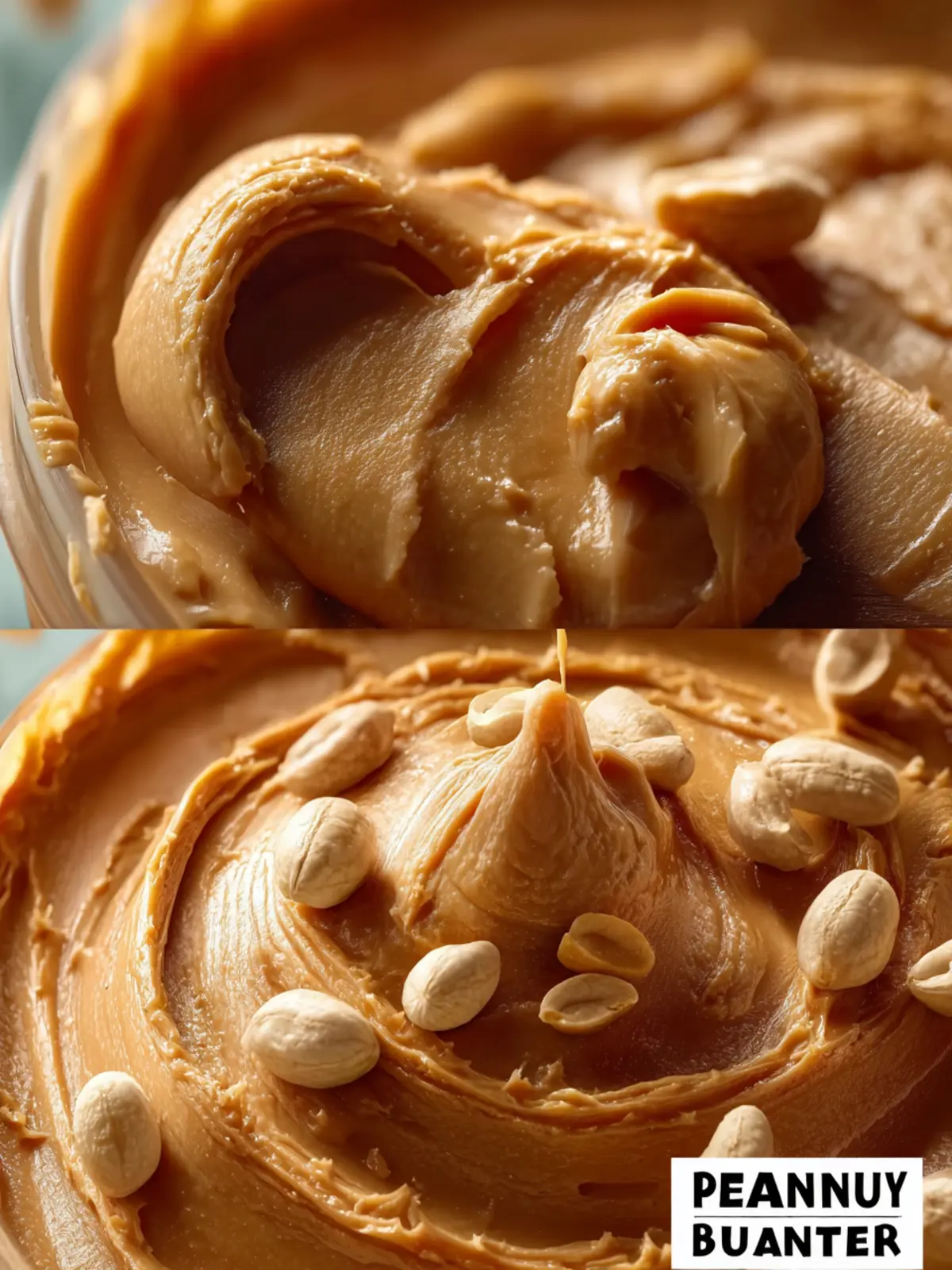
Tips for Making the Perfect Homemade Peanut Butter
Crafting your own homemade peanut butter is not just a culinary experiment; it’s an enjoyable journey filled with flavorful possibilities! Whether you’re slathering it on toast or dunking fruit, these tips will ensure your peanut butter is absolutely irresistible.
Choosing the Right Blender or Food Processor
When embarking on your homemade peanut butter adventure, the choice of equipment is crucial. A high-powered blender or a food processor will yield the smoothest results—essential for that creamy texture we all love. If you’re using a standard blender, you might need to stop often to scrape down the sides and keep everything blending smoothly. Don’t have a high-tech gadget? No worries! A sturdy standard blender can still do the job with a little patience.
Achieving the Desired Consistency
The great thing about making homemade peanut butter is that you control the consistency. For a thicker spread, blend for just a few minutes until it starts to clump together. Want it creamier? Keep blending! If you find it too thick, consider adding a little oil (like peanut or coconut) to help it along. Just be careful—adding too much oil can lead to a runny texture, so go slow!
Experimenting with Flavors
Once you’ve mastered the basics of homemade peanut butter, it’s time to get creative! Add a pinch of salt for a classic touch or sweeten it up with honey or maple syrup for a delightful twist. Love a kick? Try adding cinnamon or even a splash of vanilla extract for extra depth. Don’t be afraid to experiment—your taste buds will thank you for it!
Time Breakdown for Homemade Peanut Butter
Creating homemade peanut butter is a delightful experience that not only fills your kitchen with the irresistible aroma of freshly roasted peanuts but is also surprisingly quick. Understanding the time commitment can make the process even more enjoyable and seamless!
Preparation time
To get started on your homemade peanut butter, set aside about 10 minutes to gather your ingredients and equipment. This includes measuring out your peanuts and cleaning your workspace.
Cooking time
If you choose to roast your raw peanuts, allocate an additional 15 minutes for this step. Roasting intensifies the nutty flavor, resulting in an even richer spread.
Blending time
The blending process will take about 5 to 10 minutes. Start at a low speed and gradually increase it until you achieve that smooth, creamy consistency.
Total time
In total, you’ll be looking at around 30 to 40 minutes for the entire process, which yields a delicious, fresh batch of homemade peanut butter. Enjoy the perks of making this spread from scratch!
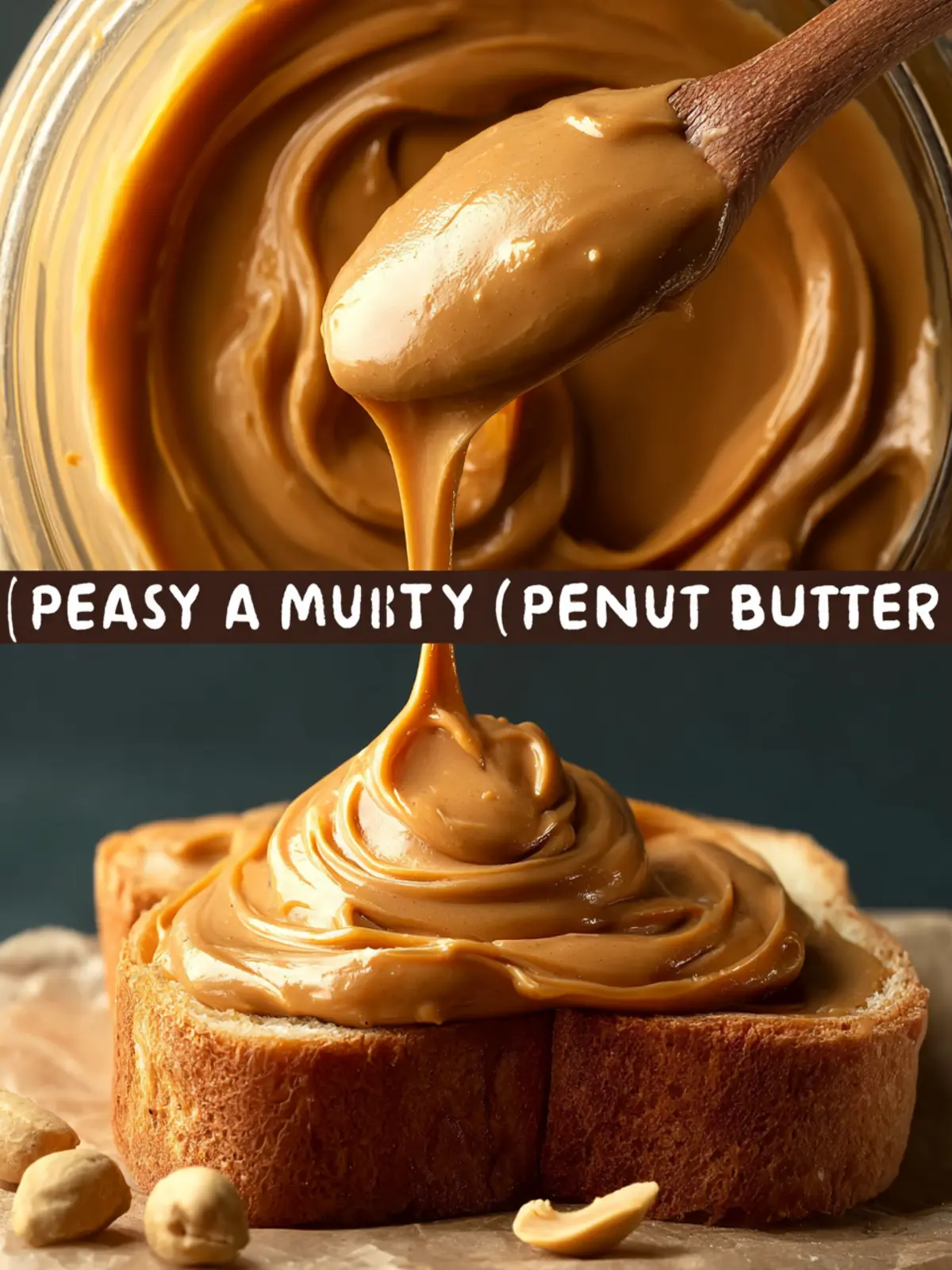
Nutritional Information for Homemade Peanut Butter
Creating homemade peanut butter is not just a delight for your taste buds; it also offers a wealth of nutritional benefits. Here’s a quick breakdown of what you can expect in every serving of your delicious creation.
Calories
On average, a two-tablespoon serving of your homemade peanut butter contains around 190 calories. This makes it a satisfying spread that hits the spot without overwhelming your daily caloric intake.
Protein
Packed with protein, homemade peanut butter contains roughly 8 grams per serving. This makes it an excellent choice for muscle repair and energy sustenance, especially for active professionals.
Fat Content
You’ll find that this nutty spread is rich in healthy fats, with about 16 grams per serving. These unsaturated fats can actually support heart health when consumed in moderation.
Fiber
Each serving of your homemade peanut butter also brings in about 2 grams of dietary fiber. This can help keep your digestive system happy and contribute to a feeling of fullness, making it a perfect addition to your snacks.
Enjoy the balance of nutrition and flavor that your homemade peanut butter brings to your meals!
FAQs about Homemade Peanut Butter
Making homemade peanut butter is a delightful and satisfying experience, but you might have a few questions along the way. Here are some insightful answers to the common queries regarding your freshly-made peanut butter.
How long does homemade peanut butter last?
When stored correctly, homemade peanut butter can last for about 2 to 3 weeks in the refrigerator. Ensure it’s kept in a clean, airtight container to maintain its freshness. If you notice any sign of mold or an off smell, it’s best to discard it. For longer storage, consider freezing it, where it can last up to 6 months.
Can I use raw peanuts instead of roasted?
Certainly! Using raw peanuts will result in a different flavor profile—less toasty and slightly nuttier. If you prefer a richer taste, roasting your raw peanuts before blending can enhance the flavor. Just roast them for about 10-15 minutes at 350°F, stirring occasionally, until golden and fragrant.
What should I do if my peanut butter is too thick?
If you find your homemade peanut butter turning out too thick, don’t fret! You can easily add a touch of oil—peanut oil or a neutral oil like canola works well. Start with a teaspoon, blend, and keep adjusting until you achieve your desired consistency.
Can I make flavored peanut butter?
Absolutely! The beauty of homemade peanut butter lies in its versatility. You can add various ingredients such as honey, cocoa powder, cinnamon, or even maple syrup for a sweet touch. Experimenting with flavors can make your spread even more enjoyable and tailored to your palate.
Conclusion on Homemade Peanut Butter
Creating your own homemade peanut butter is not just about enjoying a delicious spread; it’s about discovering the joy of crafting your own flavors. You can customize the texture and sweetness, making it as creamy or chunky as you prefer. Plus, the satisfaction of knowing exactly what’s in your jar cannot be understated.
Whether spread on toast, drizzled over pancakes, or used as a base for a savory sauce, the versatility of homemade peanut butter transcends breakfast. As you whip up your first batch, think of all the delicious possibilities ahead—your taste buds will thank you!
Print
Homemade Peanut Butter
- Total Time: 30 minutes
- Yield: 1 jar 1x
- Diet: Vegan
Description
Easy homemade peanut butter made from roasted peanuts.
Ingredients
Scale
- 3 cups whole peanuts, dry roasted – salted or unsalted (450g | 1 lb)
- ¼ tsp salt – if using unsalted peanuts
- 2–3 tsp honey, maple syrup or agave
- ½ tsp vanilla extract
- ½ tsp ground cinnamon
Instructions
- Preheat oven to 350°F (180°C).
- Spread peanuts across a large, rimmed baking sheet in a single layer. Place in the middle of the oven and bake for 20 minutes. After 10 minutes, stir the nuts and rotate the pan to roast evenly. Peanuts should be lightly golden brown and smell toasty.
- Let cool about 5-10 minutes until cool enough to handle without burning.
- Add peanuts to a high-speed blender or food processor with an S-blade attachment and blend on high until smooth and creamy. Make sure to stop and scrape down the bottom and sides of the blender every so often to help things fully break down. Times may vary depending on the strength of your blender or food processor, but it will likely take about 10-15 minutes. The peanuts will go through a few stages (gritty, flour-like, dry-paste, dry nut butter, creamy butter) before it turns into a smooth and creamy peanut butter.
- Add additional flavourings if using (salt, cinnamon, sweetener, etc) and blend once more, about 10-20 seconds, until well mixed.
- Transfer the peanut butter to a mason jar or airtight container. Keep stored in the fridge and use within 1 month. Take out of the fridge and leave at room temperature for about 10-15 minutes so it’s easy to spread.
Notes
- This peanut butter can be customized with different sweeteners or flavorings to taste.
- Store in an airtight container in the refrigerator for optimal freshness.
- Prep Time: 5 minutes
- Cook Time: 20 minutes
- Category: Spread
- Method: Blending
- Cuisine: American
Nutrition
- Serving Size: 2 tablespoons
- Calories: 190
- Sugar: 1g
- Sodium: 1mg
- Fat: 16g
- Saturated Fat: 2g
- Unsaturated Fat: 14g
- Trans Fat: 0g
- Carbohydrates: 7g
- Fiber: 2g
- Protein: 8g
- Cholesterol: 0mg